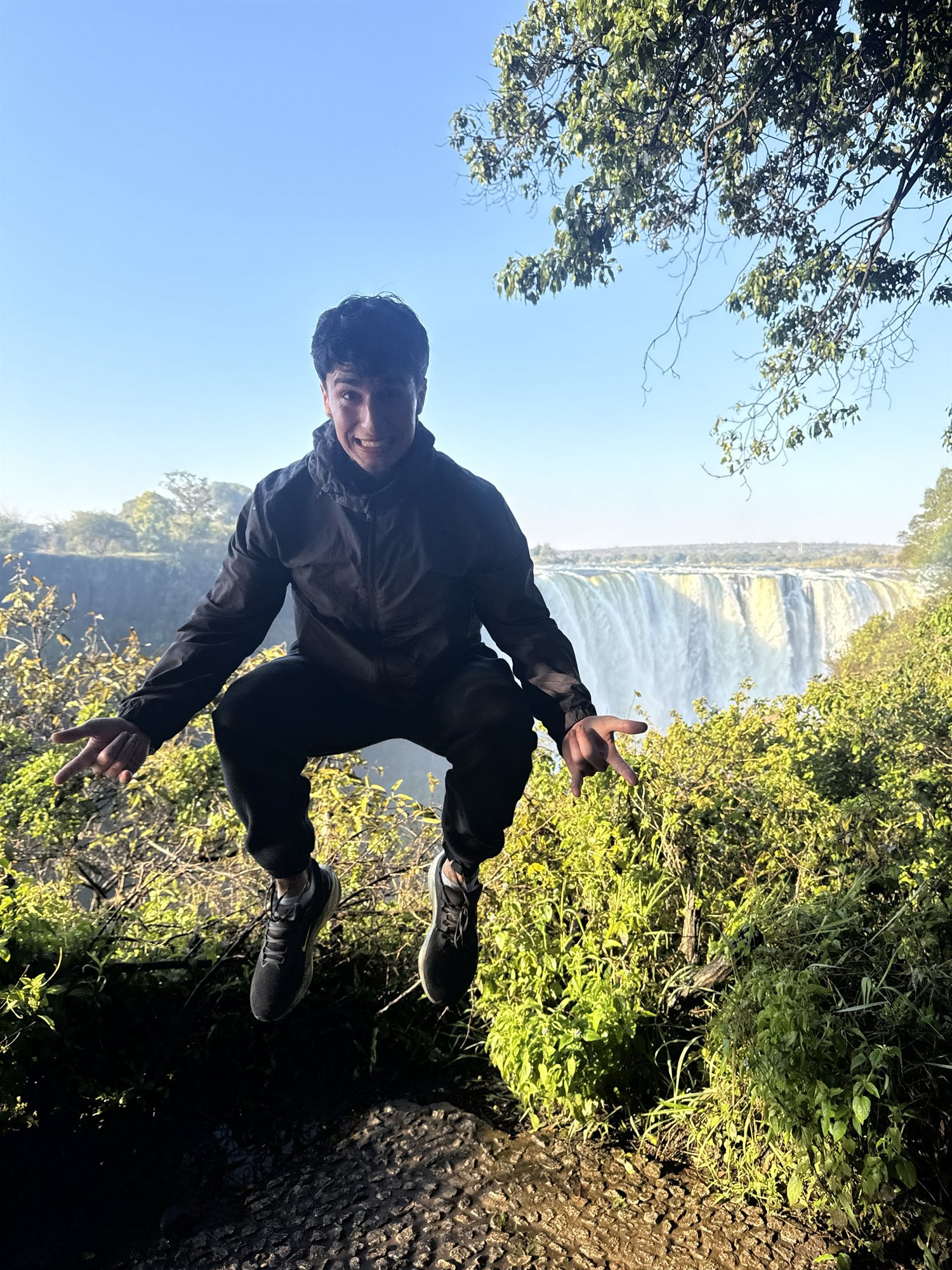
Jake Amaral in Cape Town, South Africa

Jake Amaral

29 May – 11 July 2026 · Cape Town, South Africa

  • NonprofitSafe Cities
  • ProgramUniversity of Florida International Center
Jake Amaral

About Me

Hi! I am Jake Amaral, an incoming third-year at the University of Florida. During my sophomore summer, I took on the experience of a lifetime. Not only was I able to improve as a computer scientist, but I was able to gain experiences that sitting in front of a computer simply could not deliver.

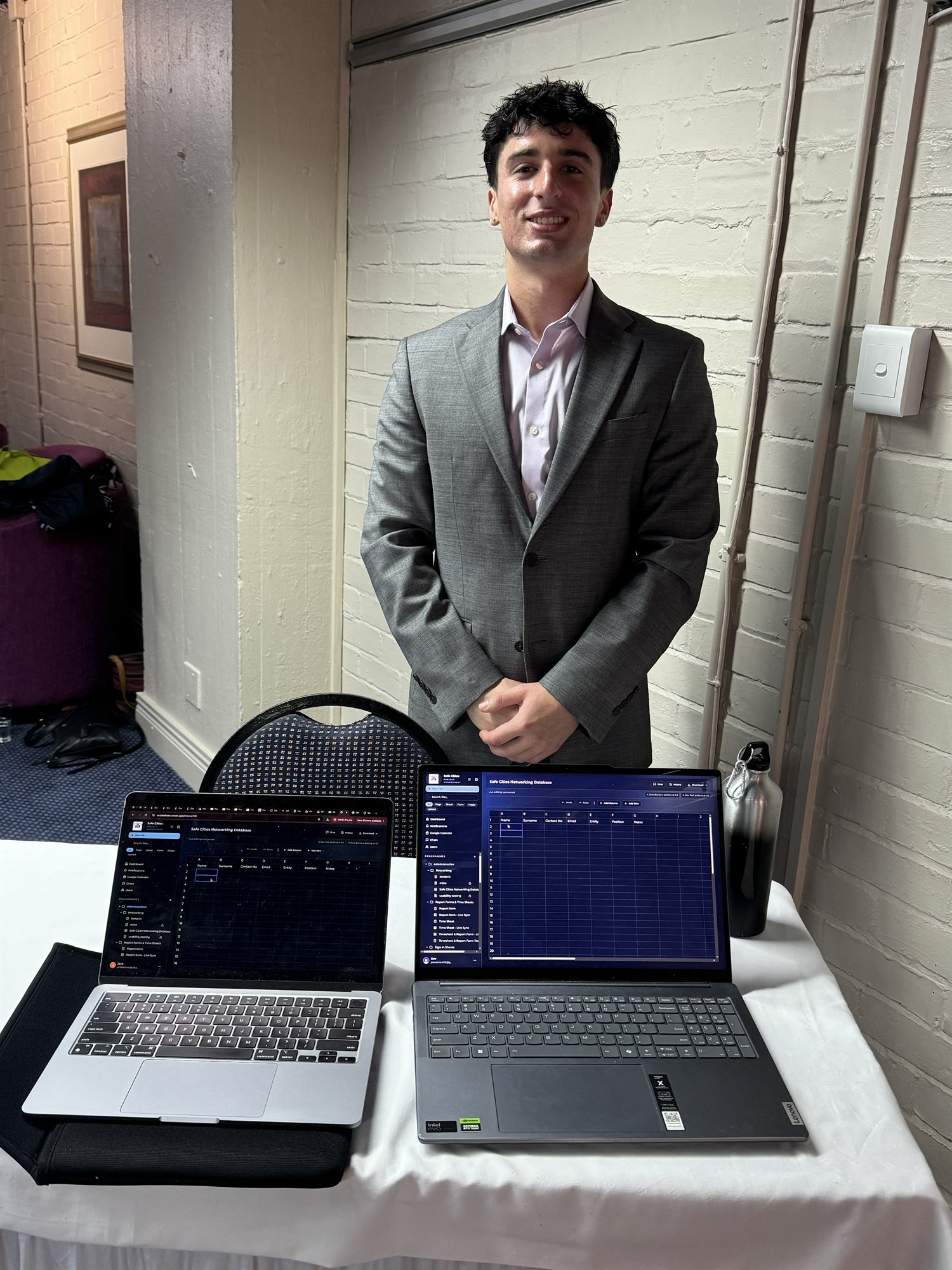
My team and I were tasked with creating an all-encompassing solution for the staff of Safe Cities to carry out their administrative tasks with a cost-effective, intuitive, and perpetual database. As the team lead, navigating communication amongst unique personalities was vital. On behalf of Gator Bytes, I am excited to showcase our product and overall experience in this portfolio!

Special thank you to Dr. Sanethia Thomas, Ping Neo, Naomi Harrell, EDU Africa, and Safe Cities.

All about the Organization

Safe Cities logo — Igniting Community Transformation

Founded in 2006, Safe Cities is a nonprofit organization serving Elisesriver and the surrounding areas. They have a staff that is equipped for programmes accross si different disclipines, all intending to inspire the youth and begin the catalyst for community transformation.

In no particular order, Safe Cities has a well-trained staff specializing in the following:

Capacity Building & Theatre Training
Building confidence, coordination, and expressive art through performing arts
Construction Skills Training
Building and supporting trade skills that carry into the workforce and let individuals shape their environment
Permaculture Skills Training
If you give someone food, they eat once. If you teach someone how to grow their own food, they eat forever. Here, Safe Cities practices self-sustianability on a permacultuire site that provides several benefits due to its regenrative nature thorugh natural remedies.
Young Leaders Initiative
Nurutring and guiding the next generation of leades thoriugh mentourship, responsiiblity, and giving a voice to be heard in the community.
Wellness & Women Empowerment
Proviing woman with opporuntiy and a sense of dignity, so that they can lead and thrive for their families and in life as a whole.
Media Programme
Staff their their stories an expeirence at Safe Cities with an Instagram handle and a weekly podcast!!

The Problem; The Solution

The Safe Cities staff relied heavily on Google web applications. Tools such as Google Drive, Docs, Sheets, and Calendar can be useful… until things get out of hand. For an organization as large as Safe Cities, there was a need for more efficiency, consistency, and enhanced security.

EFFICIENCY – A space for file types across all platforms. Users can create spreadsheets, documents, and files in one place. If they choose to, they can also upload old files from their previous drives.

CONSISTENCY – With a live editing feature, changes are made in real time, significantly cutting the time to carry out administrative tasks.

SECURITY – Using Clerk for authentication, the database is email and password-proetced with an additional layer of security via email verticifcation. Using bcryptjs, a password hash, users have the option to create a ‘password protected’ file within their respective programme.

Demo Video

A walkthrough of the monitoring & reporting database Gator Bytes built for the Safe Cities staff.

Download Demo Video

MP4 · 1 min 22 sec · 9 MB

6 weeks in one Page

Week 1

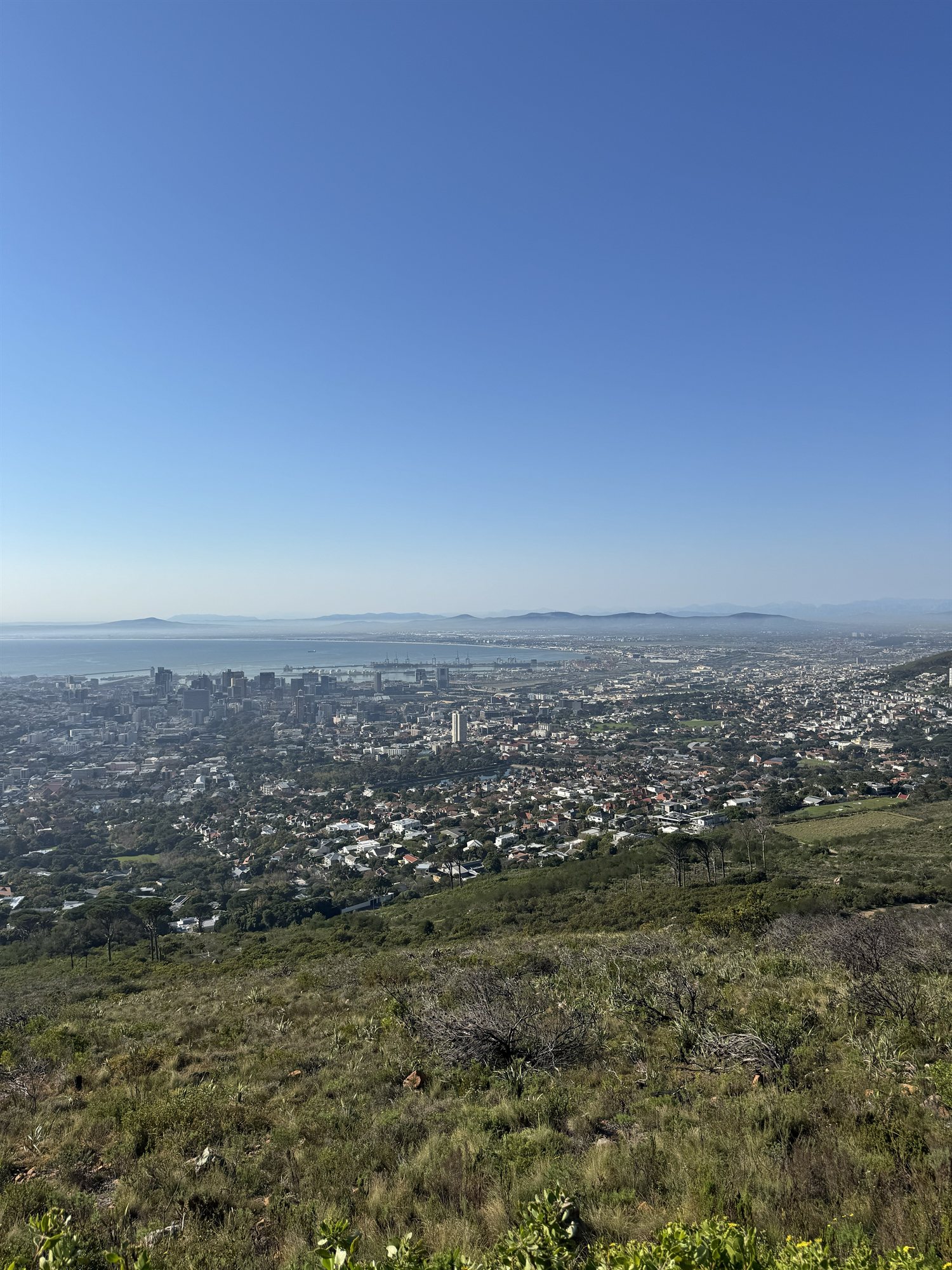
Our first week was full of sights and history. We hit the ground running by visiting one of Cape Town’s top attractions within the first two days: Table Mountain. From the top of Table Mountain, we got 360-degree views of the city and the ocean from way above. History-wise, we learned a lot about South Africa in the context of the apartheid government and its modern implications. My biggest takeaway from the lecture was how we are serving as ambassadors from the United States. Everything we choose to post and share is a reflection of South Africa as a country. With that being said, it is unfair to only talk about the beauty of the country when more people should be made aware that South Africa is still battling large amounts of inequality and injustice.

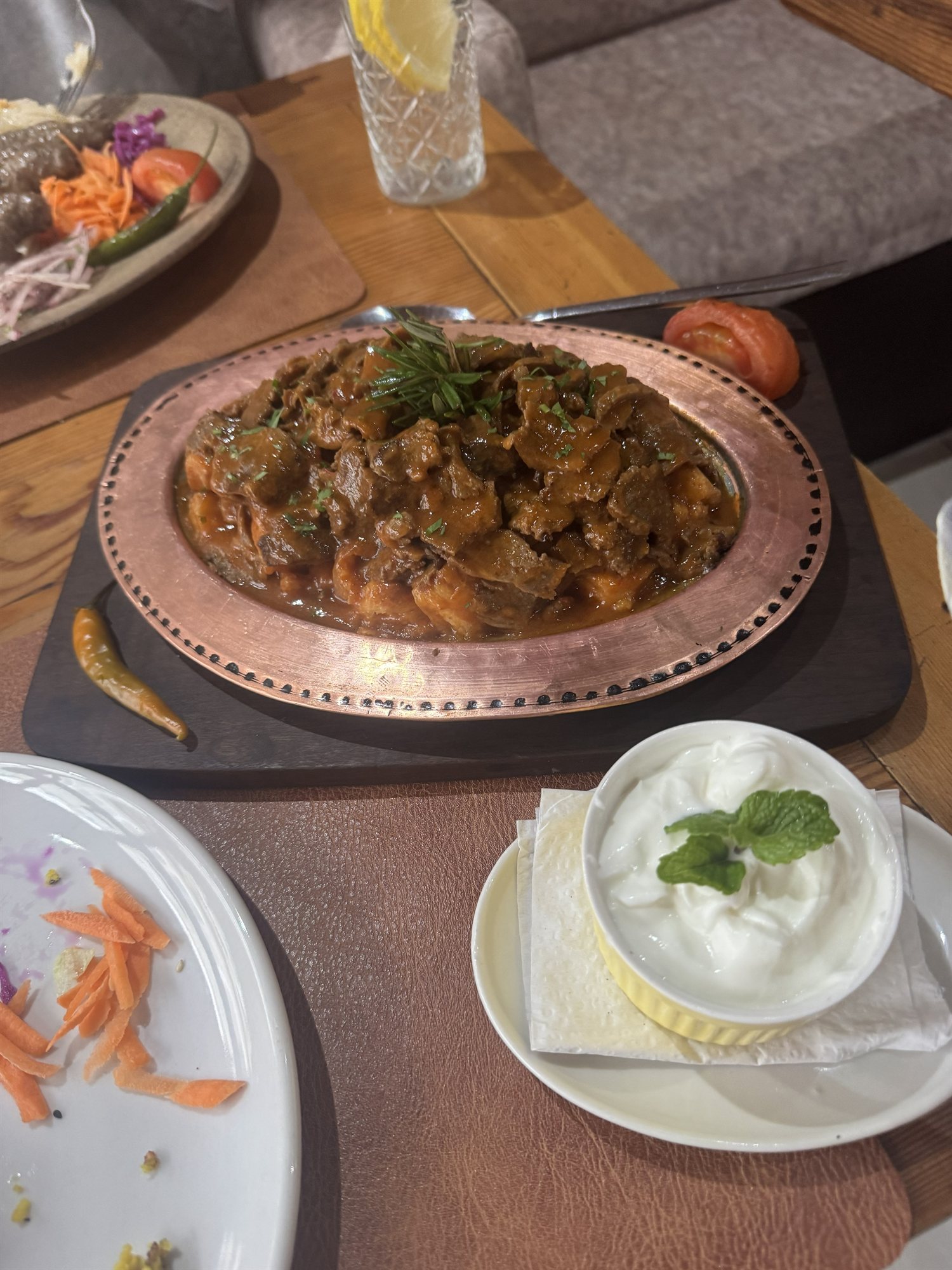
My highlight of the first week was definitely the welcome dinner at Macro’s African Place. This was our first group dinner, and it was a great time for me to get to know some of my other peers.
Week 1

Week 2

During my second week in Cape Town, I had some truly unforgettable experiences that had completely altered my worldview. We started the week off with a guest speaker, who led a conversation with us students. Lionel Davis is a 90-year-old public speaker who wishes to share his story with whoever is willing to listen. Lionel was incarcerated for seven years, during which he spent his time on Robben Island alongside another prominent South African historical figure, Nelson Mandela. He shared hardships, overcoming, and some of his modern-day contributions in the arts. The second experience of the week that most resonated with me was our tour of Khayelitsha, a majority-black settlement outside of Cape Town that was originally a place where black people were relocated to during the apartheid government. Now, it is the largest township in the Western Cape and faces issues with overpopulation as the population in the area is rapidly increasing. We were guided through Khayelitsha as we got a glimpse of what life is like in the area. We visited an informal settlement and a formal settlement, a primary school, a clinic, a coffee shop, and a marketplace. We interacted with people within the community and got an idea of the daily struggles that have almost become normalized. Water frequently runs out, electricity is unreliable, and crime is rampant. Nevertheless, the people of Khayelitsha make the most with what they can, and the experience as a whole was very eye-opening.

My highlight of the week is definitely the Khayelitsha experience. It was a full-day tour, where we walked, drove, and had local braai food in the area. Hearing the stories of individuals made their problems feel more real as they touched me on a personal level.

Week 2

Week 3

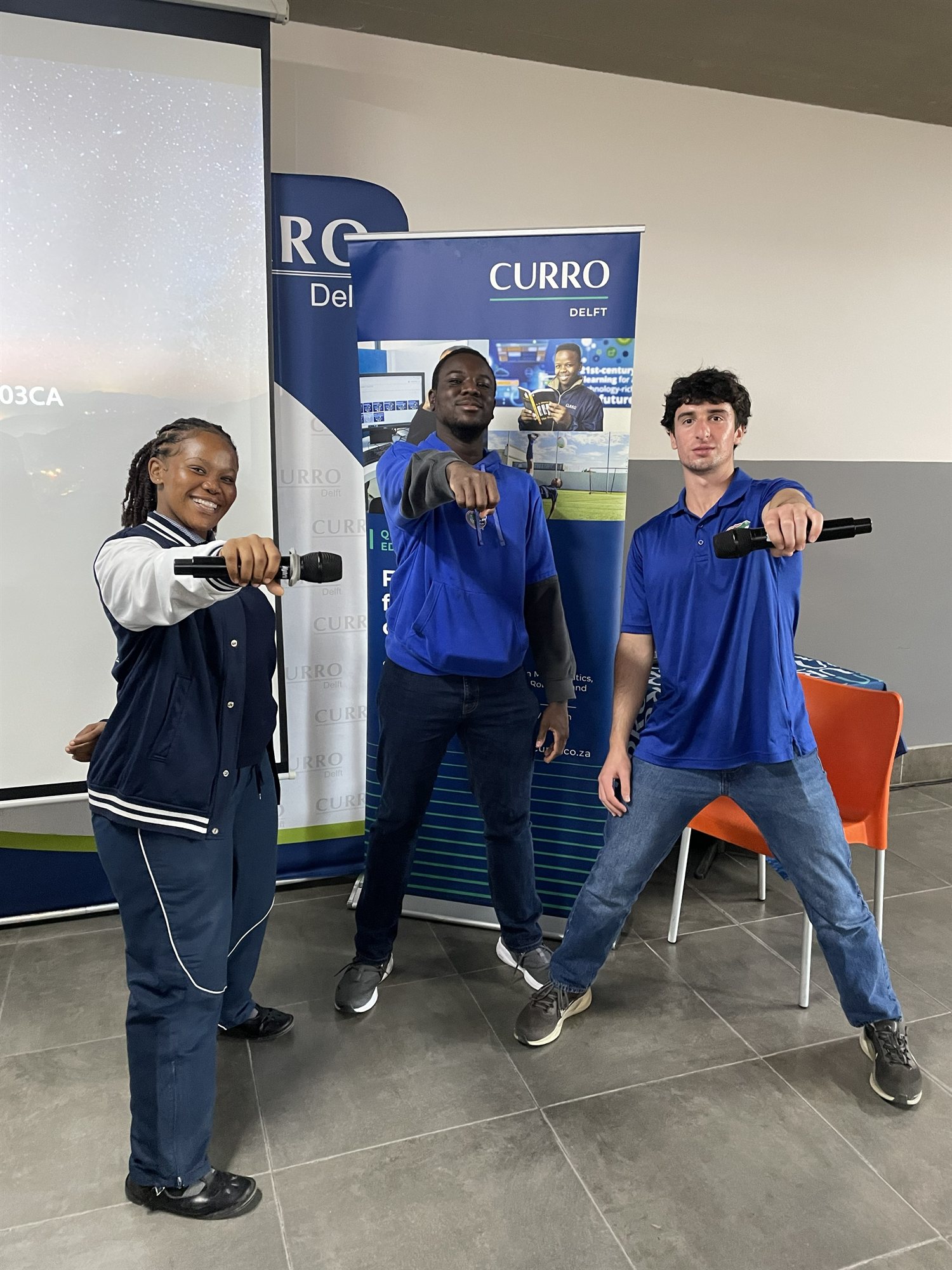
The third week was a blend of cultural and local interaction. We went to a family’s home in Bo Kaap, Cape Town, to do a Cape Malay cooking experience. Cape Malays are descendants of free and enslaves muslims froming from Southeast Asia. We learned to cook some of their common household dishes, which bring a blend of South Asian and Southeast Asian flavours to create something delicious. The second activity of the week, which I found to be interesting, was when we visited Curro Delft High School. Here, we met high school students, had interesting conversations, and were put in teams with them. One of my peers and I were the team leaders of a group of four students. Together, we had to think of a problem in South Africa and create a tech solution for said problem. We then gave our solution in an ‘elevator pitch’ style, with only a few minutes to present. It was super interesting to chat with students of another country, and to gather their thoughts.

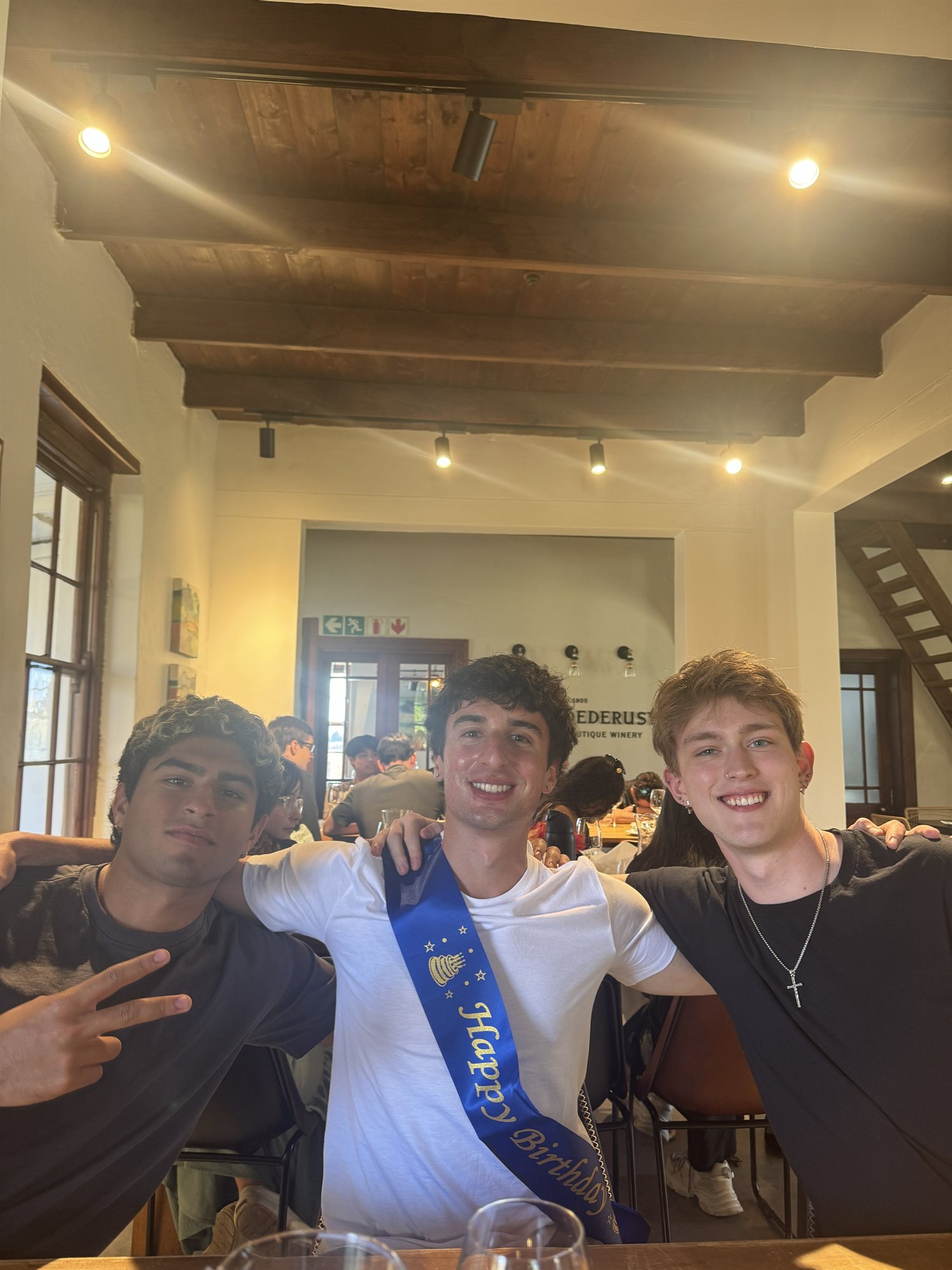
The highlight of my week was on that Saturday, which also happened to be my 20th birthday. We visited a winery in the Western Cape wine country, did a tasting, and enjoyed an absolutely fantastic meal.

Week 3

Week 4

Our fourth week in Cape Town was full of sights, history, and some expanding of my tech horizon. We started the week with a tour of the AWS Skills Centre in Cape Town, where we learned about what cloud computing is, what AWS’ role is, and the possible career pathways associated with it. We got a little tour of the facility and met some amazing people who shared their roles in the operations. In the middle of the week, we visited the !Khwa ttu San Heritage Centre, where we learned about the history of the San people in the Southern region of Africa. The heritage site had plenty of artifacts and stories, and even had a restaurant. We all enjoyed a family-style meal made with ingredients grown fresh and locally.

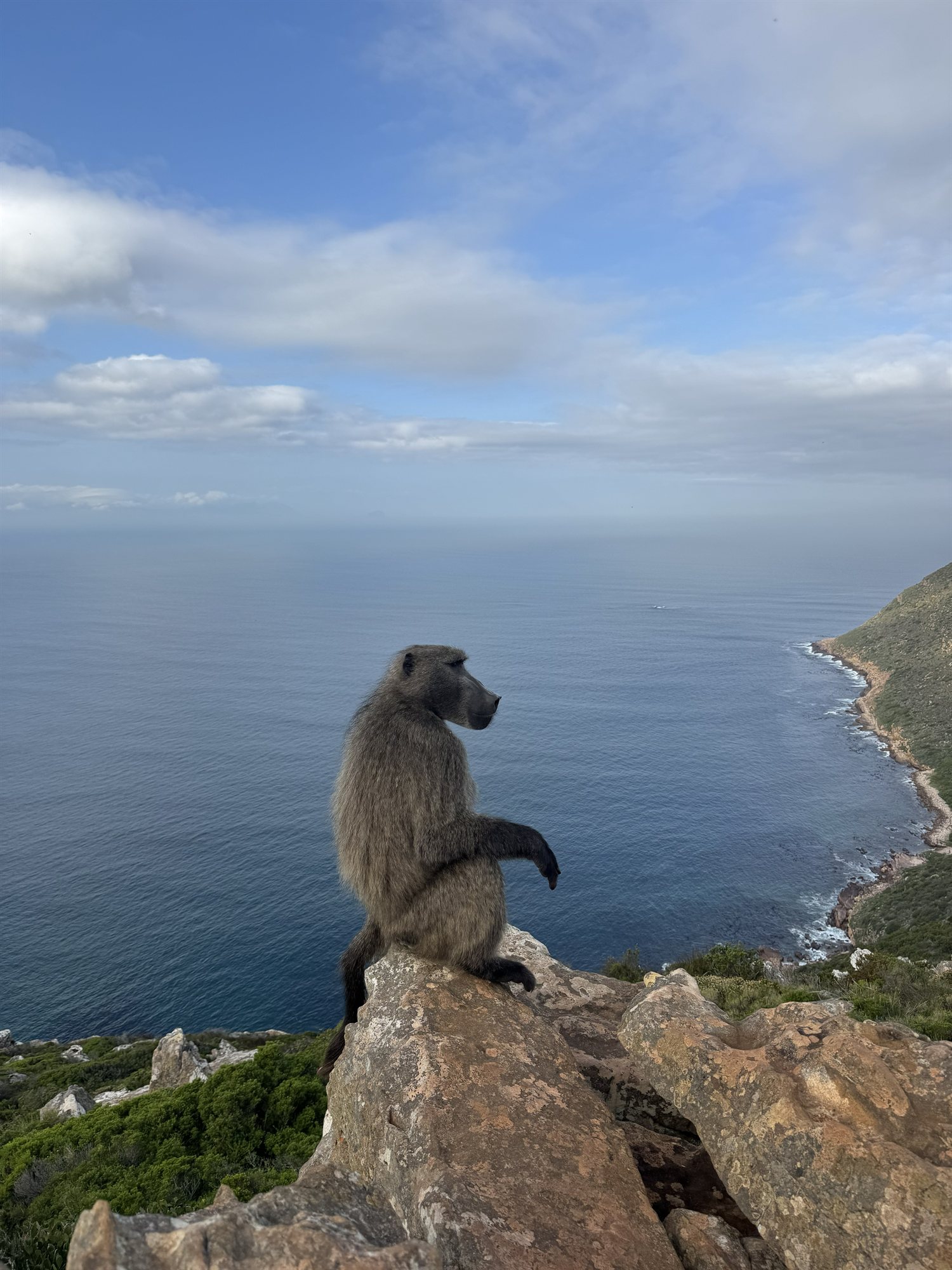
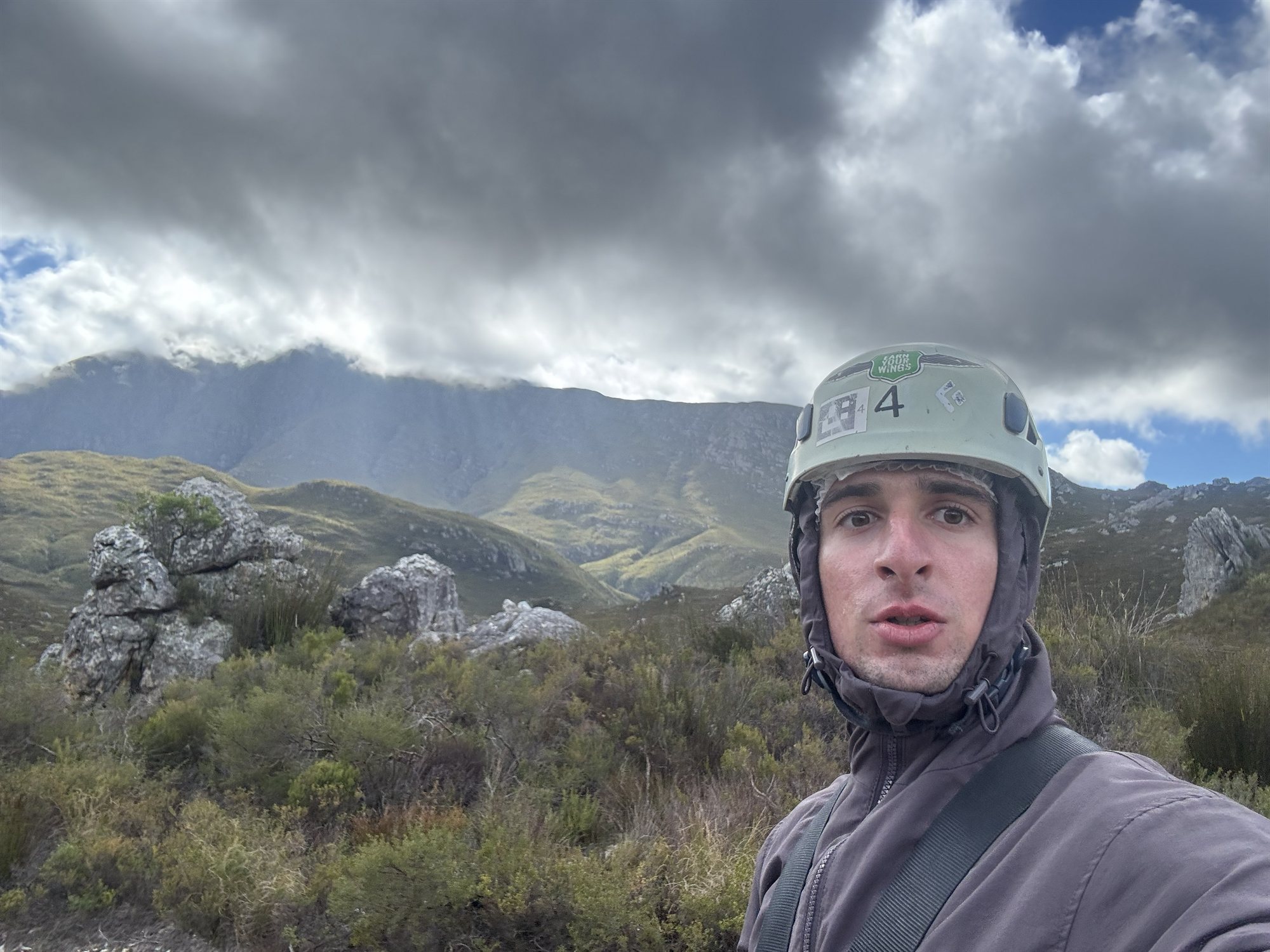
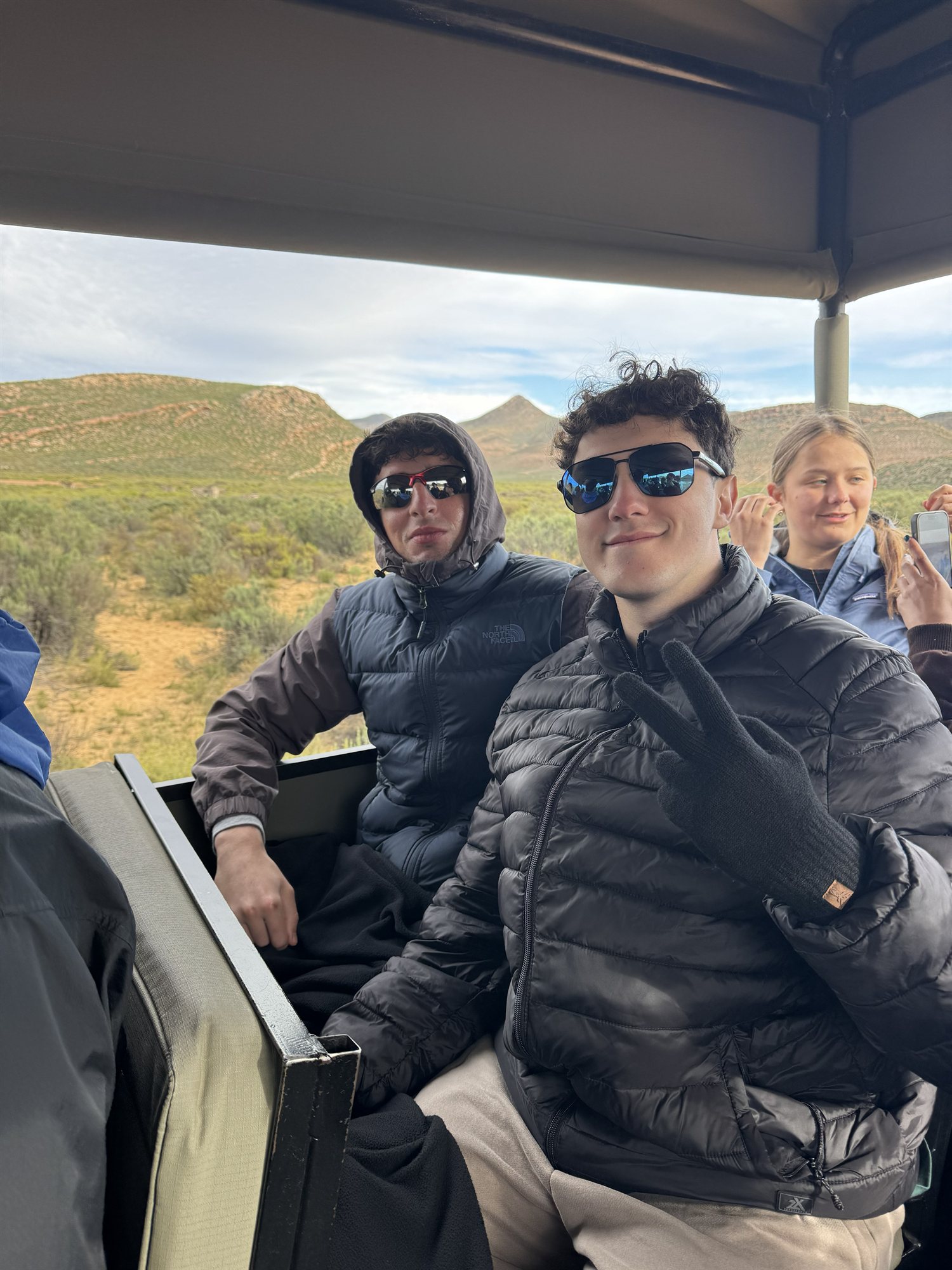
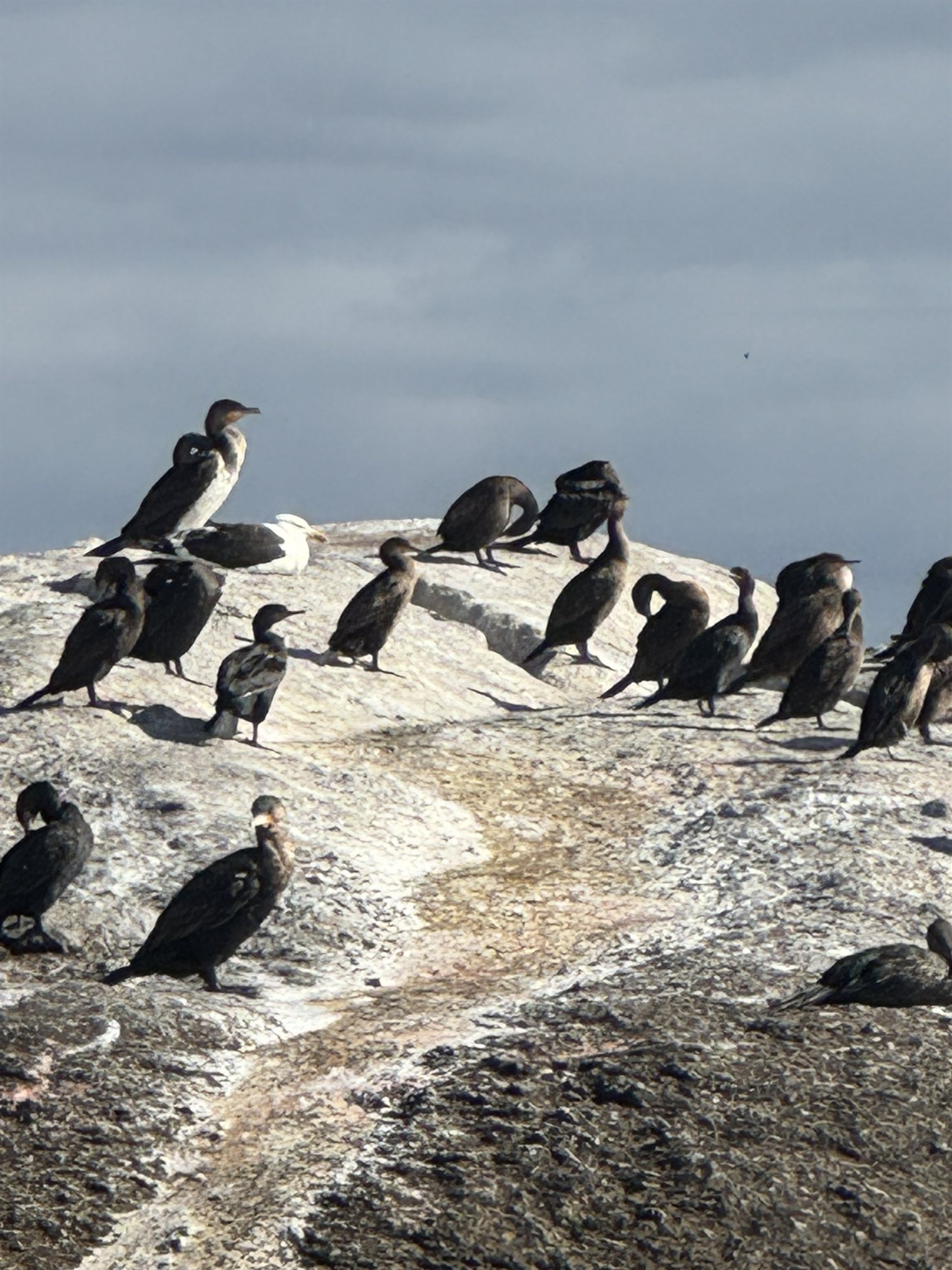
We finished the week with some major sightseeing, which included visiting the Southwesternmost tip of Africa! We did a little bit of hiking, did a scenic drive through Chapman’s Peak, and saw some interesting wild animals along the way. Pro tip: DO NOT feed the Baboons!

Week 4

Week 5

Week 5 was a week of finishing up internship projects, with some breathtaking views on the side. The highlight of the week was visiting the Aquila Game Reserve, where we ventured out on a safari. We got close-up views of Rhinos, Hippos, Giraffes, Ostriches, Zebras, and even some Lions - amazing to say the least. As we got closer and closer to the final presentation deadline, I learned valuable lessons about time management and work ethic, more specifically balancing all aspects of the study abroad trip.

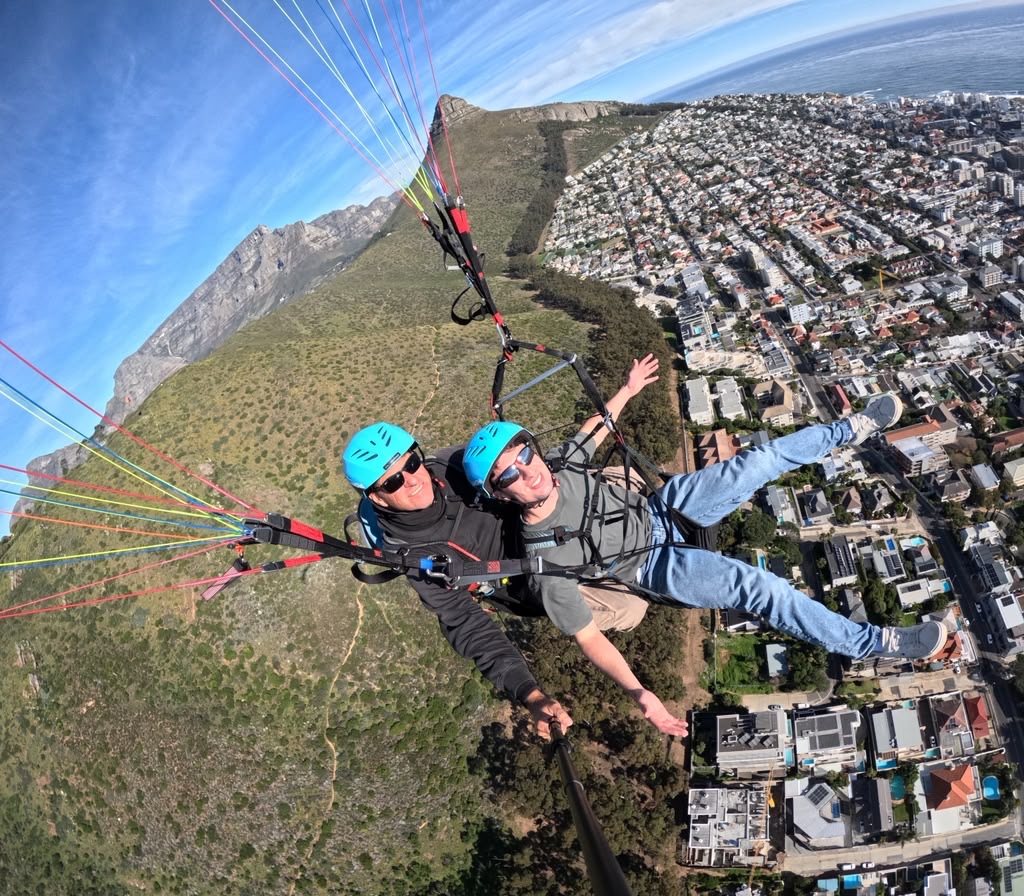
My highlight of the week was that I took up the opportunity to go paragliding as a separate activity with some of my peers!

Week 5

Week 6

The final week was full of emotions, as I had to say goodbye to my new friends and all of the people who made my time in Cape Town unforgettable. The final week was mainly making some last-minute tweaks to our project pitch, and eventually giving the presentation. We were joined by some of the Safe Cities staff, a college journalist, our professor, the EDU Africa Staff, and some friends who were not a part of the program but came to watch in support of all of the different teams. Gator Bytes delivered a 7-minute presentation showcasing our final product, alongside all of the other internship teams in my study abroad group who had projects to share. It ended with a showcase, and we were off to go our own separate ways.

My highlight of this week was listening to the speech given by Sharon and Samantha, Safe Cities staff members, at the end of our presentations, thanking all of the interns who spent time working with Safe Cities over the past six weeks. It felt extremely rewarding to witness firsthand how our contributions are making a real-world difference.

Week 6